Education
Creating Opportunities Through Education
Read More

 Contact UsDonate
 Education
19 August 2026
In South Sudan, a school is more than a place where children learn to read, write and count. It can be a safe space, a source of hope, and a pathway to a better future. Yet for millions of children, staying in school remains a daily struggle.
 Introduction
In South Sudan, a school is more than a place where children learn to read, write and count. It can be a safe space, a source of hope, and a pathway to a better future. Yet for millions of children, staying in school remains a daily struggle.
Current UNICEF estimates indicate that about 2.81 million children in South Sudan—nearly 65% of school-aged children—remain out of school. Girls are particularly affected, while conflict, poverty, displacement, child marriage and climate-related disasters continue to disrupt education.
Why Children Leave SchoolThere is no single reason why children drop out.
Conflict and displacement can force families to move, sometimes leaving children far from their schools. Schools themselves can be damaged, closed or become inaccessible. Recent humanitarian reporting also shows how flooding and insecurity continue to interrupt learning in different parts of the country.
Poverty is another major barrier. Families struggling to afford food and basic necessities may depend on children to help with household work, farming, herding or small businesses. When going to school competes with the need to survive, education can unfortunately become a secondary priority.
For children in pastoral communities, regular attendance can also be difficult because families may move with their livestock.
For girls, the barriers can be even greater. Child marriage, teenage pregnancy, household responsibilities, insecurity and inadequate menstrual hygiene facilities can all contribute to girls leaving school.
Keeping Children in School Requires More Than Building ClassroomsBuilding more schools is important, but it is only part of the solution.
A child cannot learn effectively if they are hungry, frightened, constantly moving from one location to another, or unable to access clean water and sanitation. Keeping children in school therefore requires a wider approach that addresses the realities families face.
Schools need trained and motivated teachers, learning materials, safe classrooms, clean water, sanitation facilities and protection from violence. UNICEF reports that teacher shortages and inadequate training remain significant challenges in South Sudan, with many teachers working as volunteers and without regular government salaries.
Teachers also need support. A committed teacher can be the difference between a child remaining engaged in school and eventually dropping out.
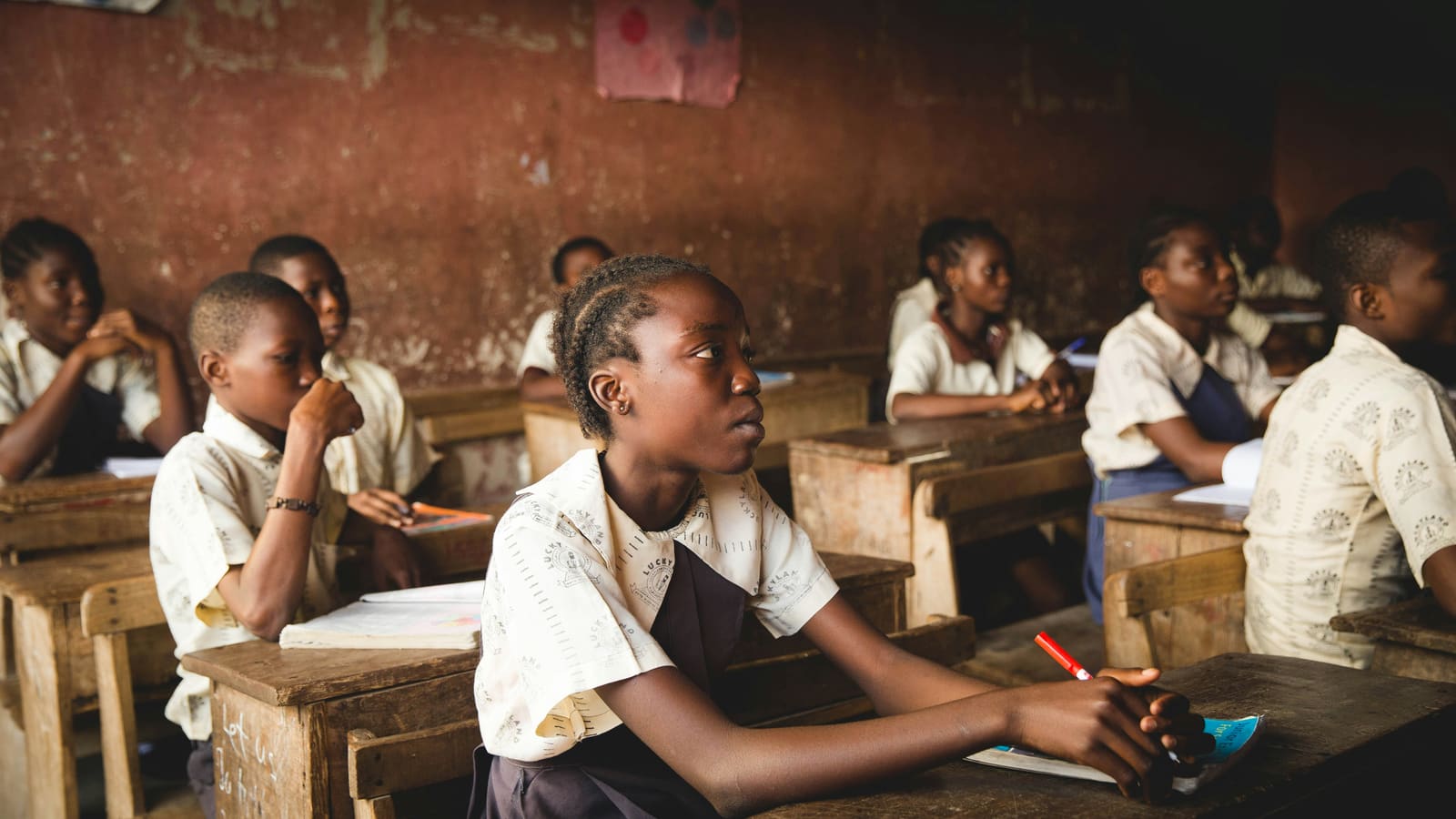 Girls Must Be at the Centre
Keeping children in school means making a special effort to keep girls in school.
Girls should not have to choose between education and their
safety, dignity or future. Schools need appropriate sanitation and
menstrual hygiene support. Communities need stronger protection against
child marriage and other practices that prevent girls from completing
their education.
When girls stay in school, the benefits extend beyond the classroom. Education can reduce the risks associated with early marriage and pregnancy, while educated parents are more likely to send their own children to school.
Supporting a girl’s education is therefore not simply an investment in one child. It is an investment in families and communities.

 Join Our Community
Whether through partnership, funding, advocacy, or community participation, your support can help us expand opportunities and create lasting change for children and families.
Support Our Work